

Insulin resistance is a common metabolic condition that occurs when muscle, liver, and fat cells stop responding properly to the hormone insulin, forcing the pancreas to produce more insulin to maintain normal blood sugar levels. This is significant because it is often the silent stage that precedes prediabetes and type 2 diabetes by years, making early understanding and treatment a crucial opportunity for prevention.
The good news is that insulin resistance is not inevitable; it's one of the most responsive metabolic conditions to lifestyle changes, especially diet and exercise. In this guide from Thamaniyah Bakery in Riyadh, Saudi Arabia, we explain what insulin resistance is, its symptoms, causes, and how it's diagnosed, then provide practical, evidence-based steps to improve insulin sensitivity.
What is insulin resistance? 🔬
Insulin is a hormone secreted by the pancreas after eating. Its primary function is to open the cell membranes, allowing glucose to enter and be converted into energy. In insulin resistance , cells become less sensitive to this signal, causing some glucose to remain in the bloodstream. The pancreas responds by secreting more insulin to compensate for the deficiency, a condition known as hyperinsulinemia.
According to the Mayo Clinic, this equation may persist for years without symptoms, because the pancreas temporarily "compensates" for the resistance. However, over time, it may be unable to keep up with the demand, and blood sugar levels gradually rise until they reach the range of prediabetes and then type 2 diabetes.
How do cells "resist" insulin?
There are multiple mechanisms, but the most prominent are the accumulation of visceral fat around internal organs, chronic low-grade inflammation, and lack of physical activity. These factors impair the ability of insulin receptors to function efficiently, thus reducing cellular responsiveness. The result is a vicious cycle: higher blood sugar → higher insulin → greater fat storage → increased resistance.
Visceral fat, in particular, is not just a passive energy storage site, but a hormone-active tissue that releases inflammatory substances that interfere with insulin signaling. This is why a large waist circumference is associated with insulin resistance, even in those whose weight appears close to normal. Furthermore, muscles, the body's largest consumers of glucose, lose some of their efficiency in absorbing sugar when movement decreases, making physical activity an indispensable component of the equation.
Why is insulin resistance increasing in our society? 🌍
Saudi Arabia and the Gulf region have witnessed a rapid shift in lifestyle over recent decades: increased reliance on cars and less walking, a rise in ultra-processed foods and sugar-sweetened beverages, and increased sedentary lifestyles. These factors combine to create a fertile ground for insulin resistance. With the International Diabetes Federation reporting a rise in diabetes prevalence locally, breaking this cycle—through daily physical activity and smarter dietary choices—is a direct investment in the overall health of families and communities.
What is the difference between insulin resistance, prediabetes, and diabetes? 📊
All three points are on the same path but at different levels. Insulin resistance is the early stage of dysfunction; prediabetes and diabetes are diagnoses defined by specific numbers in blood tests. According to the National Institute of Diabetes (NIDDK), the thresholds are measured as follows:
- Normal: Fasting blood sugar less than 100 mg/dL, and glycated hemoglobin (A1C) less than 5.7%.
- Prediabetes: Fasting blood sugar from 100 to 125 mg/dL, or HbA1c from 5.7% to 6.4%, or glucose tolerance test from 140 to 199 mg/dL.
- Diabetes: Fasting blood sugar 126 mg/dL or higher, or HbA1c 6.5% or higher, or glucose tolerance test 200 mg/dL or higher.
The key difference: insulin resistance may exist before any abnormal levels appear, because the pancreas "masks" it by increasing insulin secretion. This is why many specialists describe insulin resistance as an "early warning" that gives you time to take action.
What are the symptoms of insulin resistance? 🩺
Often, there are no obvious symptoms in the early stages, which makes the condition deceptive. As it progresses, the Cleveland Clinic notes some signs that may indicate it:
- Acanthosis nigricans: darkening and thickening of the skin on the neck, armpits, or body folds — one of the most prominent skin signs associated with insulin resistance.
- Small skin tags.
- Increased hunger and frequent cravings for starches and sugars.
- Difficulty losing weight, especially the accumulation of fat around the waist.
- Fatigue after meals, and blurred concentration.
- As blood sugar levels rise: thirst, frequent urination, and blurred vision.
Having one or more of these signs does not mean a definitive diagnosis, but it is a good reason to see a doctor and get blood sugar tests done.
What are the causes and risk factors for insulin resistance? ⚠️
Genetic and lifestyle factors combine to influence diabetes. The American Diabetes Association and the National Diabetes Institute highlight the following as key factors:
- Weight gain and obesity , especially visceral fat around the abdomen and a large waist circumference.
- Lack of physical activity and a sedentary lifestyle.
- Diets high in refined carbohydrates and ultra-processed foods.
- Advanced age (higher risk after age 35–45).
- Family history of diabetes.
- Conditions such as polycystic ovary syndrome, sleep apnea, and previous gestational diabetes.
- Some medications, such as cortisone (steroids).
In the local context, these factors are doubly important: according to the International Diabetes Federation (IDF) Diabetes Atlas 2024, the prevalence of diabetes among adults (20–79 years) in Saudi Arabia is estimated at 23.1% —approximately 5.3 million people—with about 43.6% of them remaining undiagnosed, placing the Kingdom among the top ten countries globally in diabetes rates. These figures make awareness of insulin resistance a national necessity, not a luxury.
How is insulin resistance diagnosed? 🧪
There is no single routine test for insulin resistance itself, so doctors rely on a combination of indicators: medical and family history, physical examination (such as measuring waist circumference and looking for acanthosis nigricans), and blood tests including fasting blood sugar, glycated hemoglobin (A1C), and lipid profile. In some cases, an index combining fasting blood sugar and fasting insulin measurements is used to estimate the degree of resistance.
The practical message: If you have one or more risk factors, don't wait for symptoms to appear. An open conversation with your doctor and requesting fasting and HbA1c tests may reveal the condition at a time when it's easier to reverse.
Can insulin resistance be reversed? Practical steps 💪
Yes, and that's the most optimistic part. Insulin resistance is one of the conditions that responds strongly to lifestyle changes. Here are some evidence-backed steps:
1) Movement first: Physical activity
The American Diabetes Association describes exercise as being able to "significantly reduce insulin resistance in both the short and long term," because working muscles draw glucose from the bloodstream even without significant insulin mediation. In the popular Diabetes Prevention Program (DPP), a simple goal of 150 minutes of physical activity per week —about 30 minutes on five days—along with weight loss, helped reduce the risk of developing type 2 diabetes.
2) Moderate and sustainable weight loss
You don't need a drastic transformation. The Diabetes Prevention Program showed that losing just 5% to 7% of body weight, combined with physical activity, reduced the risk of developing diabetes by 58% in the general population and by up to 71% in those over 60. For someone weighing 90 kg, this means losing only about 5–6 kg to achieve a significant protective effect.
3) Low-carbohydrate, low-glycemic index diet
Reducing refined carbohydrates eases the burden on insulin. In a randomized clinical trial published in JAMA Network Open in 2023, involving 150 older adults with prediabetes or uncontrolled diabetes, a group following a low-carbohydrate diet (initially less than 40 grams per day, then less than 60 grams) experienced greater improvements in HbA1c and fasting blood sugar compared to the group that maintained their usual diet, with an average weight loss of about 6 kg. In practice: Replace white bread, rice, and refined pastries with options higher in fiber and protein and lower in digestible carbohydrates. A low-carb diet doesn't mean deprivation; it's about restructuring your plate towards vegetables, protein, and healthy fats, along with a measured amount of good carbohydrates, to maintain satiety and reduce blood sugar fluctuations throughout the day.
4) Fiber and protein: allies for satiety and blood sugar stability
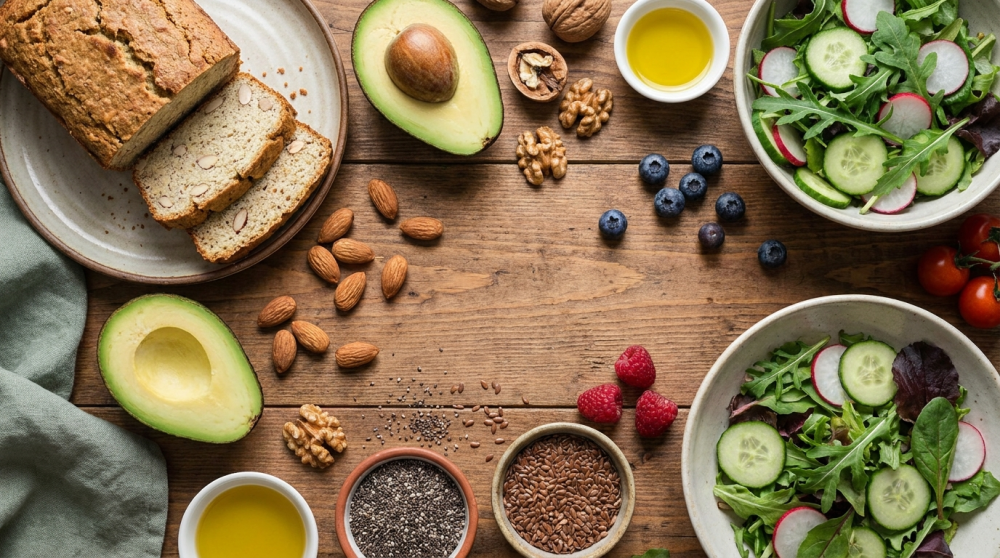
Fiber slows glucose absorption, reducing post-meal blood sugar and insulin spikes, while protein increases satiety and reduces cravings for carbohydrates. Combining both at every meal—such as a protein source with vegetables and whole grains or high-fiber bread—is a simple and effective strategy for gradually improving insulin sensitivity. Make half your plate vegetables, and add a handful of nuts or a spoonful of seeds to boost fiber and healthy fats.
5) Sleep and stress management
Lack of sleep and chronic stress elevate hormones like cortisol, which worsen insulin resistance. Aim for 7–9 hours of regular sleep and practice simple relaxation techniques such as walking and deep breathing. Even one poor night's sleep can temporarily reduce insulin sensitivity the following day, highlighting the importance of consistency.
Daily tips to improve insulin sensitivity ✅
- Start your meals with vegetables and protein before carbohydrates; this order reduces the rise in blood sugar after eating.
- Choose fiber-rich grains and breads instead of refined ones, and monitor your portion size.
- Add light movement after meals — a 10–15 minute walk improves glucose elimination.
- Increase your intake of healthy fats (olive oil, nuts, avocados) and protein to increase satiety.
- Reduce sugar-sweetened beverages completely; they are the fastest cause of high blood sugar and insulin levels.
- Stay hydrated and get enough sleep; a tired body is less sensitive to insulin.
Who should be aware? And when should you see a doctor? 🧑⚕️
Special attention should be paid to those who are overweight, have a family history of diabetes, polycystic ovary syndrome (PCOS), high blood pressure or cholesterol, or who have noticed acanthosis nigricans. If you are planning significant dietary changes—especially a low-carbohydrate diet—or are taking medication to lower blood sugar, it is essential to consult your doctor or a registered dietitian first, as reducing carbohydrates may require adjusting medication dosages to prevent hypoglycemia.
Important note: This article is for general health education purposes and does not replace medical advice, diagnosis, or treatment. Decisions regarding medications and chronic conditions should be made in consultation with a healthcare professional.
Eight Bakery: Gentler options for your blood sugar 🥖
When you decide to cut back on refined carbs, having delicious alternatives is half the battle. At Eight Bakery, we create low-carb, sugar-free, and gluten-free baked goods and desserts using almond flour and sugar-free formulas, suitable for keto diets, diabetics, and those looking to reduce their carbohydrate intake—without sacrificing taste. Here are some options to support a healthier lifestyle for your blood sugar:
- Samoli bread and cloud bread : A low-carb alternative made from almond flour for a breakfast sandwich, reducing the starch load compared to white bread.
- Keto granola : Rich in fiber and healthy fats and free of added sugar, for a satisfying start to the day.
- Crackers : A low-carb, crunchy snack instead of high-glycemic index crackers.
- Sugar-free sweets and chocolates : Satisfy the craving for sweets without added sugar.
These options are meant to facilitate adherence, not to provide medical treatment; the foundation remains a balanced lifestyle and ongoing monitoring by your doctor. For further information, read our guide on the glycemic index and the effect of food on blood sugar , and our guide to living healthily with celiac disease .
Frequently Asked Questions ❓
Does insulin resistance mean I have diabetes?
No. Insulin resistance is an early stage that may precede diabetes by years, and many people live with mild resistance that never develops into diabetes. A diabetes diagnosis is based on specific numbers in blood tests, not solely on the presence of resistance.
Can insulin resistance be reversed naturally?
In many cases, yes. Studies have shown that combining physical activity (around 150 minutes per week), losing 5–7% of body weight, and reducing refined carbohydrates improves insulin sensitivity and significantly lowers the risk of diabetes. However, results require commitment and medical follow-up.
What is the best diet for insulin resistance?
There is no one-size-fits-all diet, but diets lower in refined carbohydrates and higher in fiber, protein, and healthy fats have shown improvements in blood sugar and insulin levels. The most important thing is consistency and consulting with your doctor or registered dietitian, especially if you are taking medication.
Are bread and sweets completely forbidden?
They're not necessarily off-limits, but the type and quantity make the difference. Replacing refined baked goods with low-carb, high-fiber options—like sugar-free almond flour baked goods—allows you to enjoy the taste with less of a blood sugar spike.
Are thin people prone to insulin resistance?
Yes, although the risk is lower. Being overweight is a major factor, but not the only one; lack of exercise, genetics, and visceral fat can also contribute to resistance even in those who appear to be at a normal weight. Therefore, physical activity and a balanced diet remain important for everyone.
How long does it take for insulin sensitivity to improve?
It varies from person to person. Muscles may begin to improve their response to insulin within days of increased physical activity, while deeper changes associated with weight loss require weeks to months of commitment. The key is consistency, not perfection, and to follow up with your doctor to monitor your progress.
Summary 🌿
Insulin resistance is an early warning sign, not a final verdict. Understanding its mechanisms, paying attention to risk factors, and taking action through exercise, a balanced diet, and moderate weight loss are all steps that restore your cells' sensitivity and protect your future health. Start small today: a walk after your meal, or swapping white bread for a lower-carb option. And because change is easier when it's delicious, browse the low-carb baked goods and desserts at Eight Bakery and begin your journey toward a gentler balance on your blood sugar. Healthy and delicious. 💚
the reviewer
- National Institute of Diabetes and Digestive and Kidney Diseases (NIDDK). "Insulin Resistance & Prediabetes." NIH, 2024.
- Cleveland Clinic. "Insulin Resistance: Causes, Symptoms & Treatment." 2023.
- Centers for Disease Control and Prevention (CDC). “About Insulin Resistance and Type 2 Diabetes.” 2024.
- American Diabetes Association (ADA). "Insulin Resistance." diabetes.org.
- National Institute of Diabetes and Digestive and Kidney Diseases (NIDDK). “Diabetes Prevention Program (DPP).” NIH.
- Dorans KS, et al. "Effects of a Low-Carbohydrate Dietary Intervention on Hemoglobin A1c." JAMA Network Open , 2023 (via Harvard Health).
- International Diabetes Federation (IDF). "Diabetes Atlas — Saudi Arabia." 2024.
Related keywords
Insulin resistance, symptoms of insulin resistance, treatment of insulin resistance, insulin resistance and weight, low-carbohydrate diet, prediabetes, insulin sensitivity, type 2 diabetes, blood sugar, Eight Bakery.