

Prediabetes is a state in which your blood sugar is higher than normal but not yet high enough to be diagnosed as type 2 diabetes. It is a quiet early warning — and, in many cases, a reversible one if you act in time. The reassuring news: the largest clinical trial in this field showed that simple lifestyle changes can cut the risk of progressing to type 2 diabetes by up to 58%. In this guide we explain exactly what prediabetes is, how it is diagnosed by the numbers, why it silently affects millions, and the evidence-based steps you can take to bring your blood sugar back into the normal range.
What exactly is prediabetes?
Prediabetes is not a disease in itself; it is an intermediate stage between normal blood sugar regulation and type 2 diabetes. At this point the body's cells begin responding less effectively to the hormone insulin — a condition known as insulin resistance — so the pancreas pumps out more insulin to keep blood sugar normal. Over time that compensation is no longer enough, and blood sugar starts to creep upward.
Here is the essential idea everyone should grasp: prediabetes is a golden window of time. Your blood sugar is not quite normal, but it has not yet crossed a point of no return. Research shows this is precisely the stage that responds best to intervention, that returning to normal glucose regulation is a realistic goal for many people, and that those who bring their blood sugar back to normal — even once — meaningfully lower their future risk of developing diabetes.
How is prediabetes diagnosed? The numbers you should know
Prediabetes is not diagnosed by symptoms but by a simple blood test. The American Diabetes Association (ADA) relies on three accepted tests, and a result within any of the following ranges means you are in the prediabetes zone:
- A1C (glycated hemoglobin): 5.7% to 6.4% (normal is below 5.7% — diabetes is 6.5% or higher).
- Fasting plasma glucose: 100 to 125 mg/dL (normal is below 100 — diabetes is 126 or higher).
- 2-hour oral glucose tolerance test: 140 to 199 mg/dL (normal is below 140 — diabetes is 200 or higher).
The A1C is the most practical test because it requires no fasting and reflects your average blood sugar over the past two to three months. If your result lands in the prediabetes range, it is not a diabetes verdict — it is an invitation to act while the impact is still within your reach.
Why don't most people with prediabetes feel it?
The real danger of prediabetes is that it is usually silent. According to the U.S. Centers for Disease Control and Prevention (CDC), more than one in three adults has prediabetes — about 98 million people — and 81% of them do not know it. Most feel no pain or symptoms, because the rise in blood sugar at this stage is mild and gradual, and the body compensates quietly.
Even so, some people notice subtle signs worth attention, including:
- Frequent thirst and urination, especially as blood sugar approaches the higher end.
- Unexplained fatigue or a strong urge to sleep after starch-heavy meals.
- Frequent hunger and intense cravings for sugar and refined carbohydrates.
- Dark, velvety patches in skin folds on the neck or armpits (acanthosis nigricans), a common sign of insulin resistance.
Because the condition can be entirely symptom-free, regular screening remains the only reliable way to catch it early.
Who is most at risk for prediabetes?
Certain factors raise the odds, and the more that stack up, the more important screening becomes:
- Excess weight or obesity, especially fat stored around the abdomen (visceral fat).
- Low physical activity and a sedentary lifestyle.
- Age 35 or older (though it is now diagnosed at younger ages more than before).
- A family history of type 2 diabetes.
- A history of gestational diabetes, or delivering a baby weighing more than 4 kg.
- High blood pressure or abnormal blood lipids (low HDL cholesterol or high triglycerides).
- Polycystic ovary syndrome (PCOS) in women.
This context deserves special attention in Saudi Arabia. According to the International Diabetes Federation (IDF) Diabetes Atlas 2024, millions of Saudi adults fall within the impaired-glucose-tolerance range — an age-standardized rate of roughly 17% — on top of a high prevalence of diabetes itself. These figures make awareness and prevention of prediabetes a genuine health priority for all of us.
What is the difference between prediabetes and insulin resistance?
Many people confuse the two. The distinction is simple but important. Insulin resistance is the underlying mechanism: cells respond poorly to insulin. Prediabetes is the measurable result — captured by numbers — that appears when the extra insulin the pancreas secretes is no longer enough to compensate, and blood sugar rises into the intermediate zone. In other words, insulin resistance may precede prediabetes by years and is often its cause, while prediabetes is the numerical alarm bell your blood test rings. The good news: the steps that address one — losing weight, moving more, cutting refined carbs — improve the other at the same time.
Why you shouldn't ignore prediabetes
Without intervention, a substantial share of people with prediabetes progress to type 2 diabetes over the following years. More importantly, the harm does not wait for a formal diabetes diagnosis; even mildly elevated blood sugar is associated with increased risk of cardiovascular disease. That is why medical bodies view prediabetes not merely as a warning, but as an opportunity for double prevention: avoiding diabetes and protecting the heart at the same time.
The positive message here is clear: the earlier you act, the greater and easier the payoff. Reversing prediabetes in its early stage is far simpler than managing full-blown diabetes.
Can prediabetes really be reversed? What the science says
Yes, and the evidence is strong and direct. The Diabetes Prevention Program (DPP) — a major clinical trial of 3,234 people with prediabetes, published in the New England Journal of Medicine in 2002 — divided participants into groups and showed that the lifestyle-change group reduced its risk of developing diabetes by 58% compared with the control group, outperforming even the drug metformin, which reduced risk by 31%.
The lifestyle goal in that study was strikingly simple and realistic: lose at least 7% of body weight, and do 150 minutes of moderate physical activity per week (about 30 minutes on five days). When researchers followed participants over the long term, the protective effect persisted at ten years, confirming that the gains are not temporary.
Later analyses of the program's data showed that weight is the strongest driver: each single kilogram of weight lost was associated with roughly a 16% reduction in the risk of developing diabetes. In other words, even modest loss makes a big difference — you do not need an ideal weight to reap the benefit.
Evidence-based steps to reverse prediabetes
1) Aim for modest, sustainable weight loss
You do not need a dramatic transformation. Losing 5 to 7% of your weight (about 5–7 kg for someone weighing 100 kg) is enough to have a large effect on blood sugar and insulin sensitivity. Make the goal gradual and sustainable rather than relying on harsh short-term diets.
2) Redesign your plate around quality, not deprivation
The key is reducing refined carbohydrates and added sugars, not starving yourself. Practical steps:
- Replace white flour, refined bread, and pastries with higher-fiber alternatives that have less impact on blood sugar.
- Cut added sugars as much as possible; the World Health Organization recommends keeping free sugars below 10% of total energy, ideally under 5%.
- Start your meal with vegetables and protein before starches; this order blunts the post-meal sugar spike.
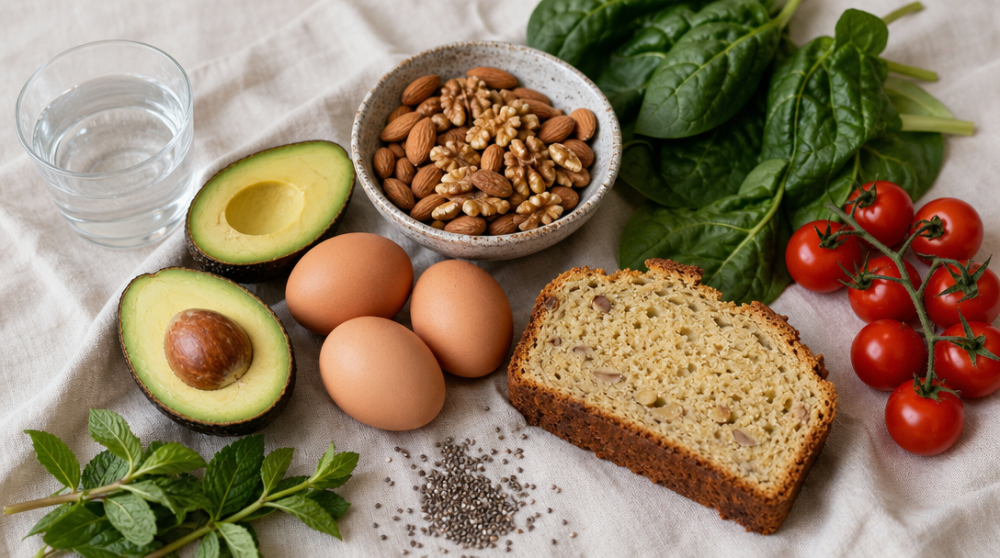
- Prioritize adequate protein, healthy fats, and fiber, which prolong fullness and calm sugar cravings.
- Understand net carbs and the glycemic index so you can choose slower-acting carbohydrate sources.
3) Move your body regularly
Aim for 150 minutes a week of moderate activity (brisk walking is an excellent choice), and add resistance exercise twice a week, because muscle burns glucose and improves insulin sensitivity. Even a 10–15 minute walk after meals helps lower the post-meal sugar spike.
A simple picture of a balanced day
To make the idea concrete, here is one practical shape of a blood-sugar-friendly day — adjust it to your needs and your doctor's guidance:
- Breakfast: eggs or Greek yogurt with high-fiber keto granola, instead of white bread and jam.
- Lunch: protein (chicken or fish) + a large vegetable plate + a moderate amount of slow carbs, starting with the vegetables and protein before the starch.
- Snack: a handful of nuts or low-carb crackers instead of sweetened biscuits.
- After meals: a light 10–15 minute walk to blunt the sugar rise.
- When you crave dessert: a piece of no-added-sugar sweet or chocolate instead of traditional high-sugar treats.
4) Sleep well and manage stress
Poor sleep and chronic stress raise hormones that push blood sugar up and fuel sugar cravings. Aim for 7–9 hours of good sleep and build stress-reducing practices into your day.
5) Quit smoking and screen regularly
Smoking raises insulin resistance and the risk of diabetes and heart disease. Regular A1C testing gives you a clear map of your progress and keeps you motivated to continue.
How Bakery 8 supports your journey to better blood sugar
Reversing prediabetes does not mean saying goodbye to delicious food; it means smarter choices. At Bakery 8 (healthy and delicious) our products are made with almond flour, with no added sugar and gluten-free, designed for anyone watching their blood sugar who wants to cut refined carbs without feeling deprived:
- Swap white bread for low-carb options from the bread section, such as samoli and cloud bread, to start your day without a sharp sugar spike.
- Make breakfast rich in fiber and protein with keto granola instead of sweetened cereals.
- For a snack that curbs hunger without added sugar, try the crackers.
- And for dessert moments, there are no-added-sugar sweets and chocolate that satisfy your craving intelligently.
These are not a medical treatment, but practical tools that make a healthier lifestyle easier and longer-lasting. For a deeper look at the mechanism, read our article on insulin resistance.
When should you see a doctor?
If you have risk factors (excess weight, family history, high blood pressure, previous gestational diabetes) or any of the signs mentioned above, ask your doctor for an A1C or fasting glucose test. And if you are diagnosed with prediabetes, medical follow-up is important to set a plan that suits you and to track your progress.
Important note: this article is for general health awareness and is not a substitute for consulting your doctor or dietitian. Any major change to your diet or physical activity — especially if you take medications or have chronic health conditions — should be made in coordination with your healthcare provider.
Frequently asked questions about prediabetes
Does prediabetes mean I will definitely get diabetes?
No. Prediabetes is a risk factor, not an inevitable fate. Studies show that lifestyle change lowers the risk of progressing to diabetes by up to 58%, and many people return their blood sugar to the normal range. The key is acting early and staying consistent.
What is the best test to detect prediabetes?
The most practical is the A1C, because it requires no fasting and reflects your average blood sugar over two to three months. The prediabetes range is 5.7% to 6.4%. Your doctor may also order a fasting glucose or glucose tolerance test to confirm.
How long does it take to reverse prediabetes?
It varies from person to person, but many notice an improvement in A1C within three to six months of committing to modest weight loss, fewer refined carbs, and regular activity. Consistency matters more than speed.
Do I need to lose a lot of weight to benefit?
No. Losing just 5 to 7% of your weight makes a big difference, and each kilogram lost was linked in research to about a 16% reduction in diabetes risk. Small, sustainable goals beat harsh diets.
Can I eat bread and dessert while I have prediabetes?
Yes, wisely. The problem is not "bread" or "dessert" in themselves but refined carbs and added sugar. Choosing almond-flour, no-added-sugar alternatives — like those at Bakery 8 — lets you enjoy them with far less impact on your blood sugar.
Conclusion
Prediabetes is not the end of the road; it is an early signal and a precious opportunity. With simple, sustainable steps — modest weight loss, smarter eating, regular movement, and enough sleep — most people can slow or reverse the condition and protect their hearts at the same time. Start with one step today: check your blood sugar and rethink your plate. And to make the healthier choice easier every day, browse the no-added-sugar, gluten-free products at Bakery 8 — healthy and delicious, with no compromise.
References
- Diabetes Prevention Program Research Group. Reduction in the Incidence of Type 2 Diabetes with Lifestyle Intervention or Metformin. New England Journal of Medicine, 2002.
- Diabetes Prevention Program Research Group. 10-year follow-up of diabetes incidence and weight loss in the Diabetes Prevention Program Outcomes Study. The Lancet, 2009.
- Hamman RF, et al. Effect of Weight Loss With Lifestyle Intervention on Risk of Diabetes. Diabetes Care, 2006.
- American Diabetes Association. Diagnosis and Classification of Diabetes: Standards of Care in Diabetes, 2025.
- Centers for Disease Control and Prevention (CDC). Prediabetes and National Diabetes Statistics Report, 2023–2024.
- Perreault L, et al. Regression from prediabetes to normal glucose regulation in the Diabetes Prevention Program. Diabetes Care, 2009.
- International Diabetes Federation (IDF). IDF Diabetes Atlas — Saudi Arabia country profile, 2024.
- World Health Organization (WHO). Guideline: Sugars intake for adults and children, 2015.
- Mayo Clinic / National Institute of Diabetes and Digestive and Kidney Diseases (NIDDK). Prediabetes — symptoms, causes and prevention.
Related keywords: prediabetes, prediabetes symptoms, how to reverse prediabetes, A1C test, fasting blood sugar, insulin resistance, prevent type 2 diabetes, diabetes in Saudi Arabia.