

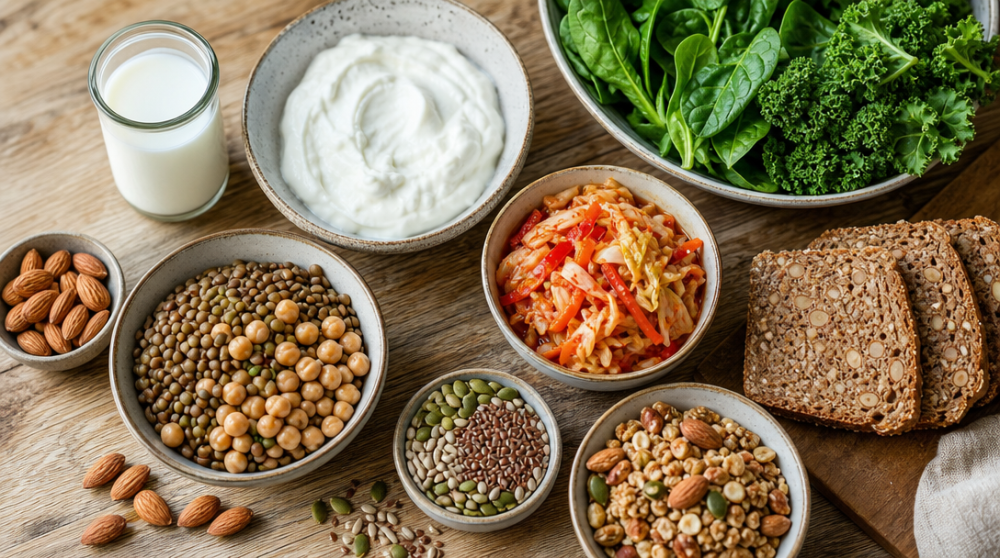
Gut health begins with the tiny life inside you: trillions of bacteria and more than a thousand species that together form your «gut microbiome» — the community that digests your fiber, makes anti-inflammatory compounds, and helps regulate your immunity, blood sugar, and even mood. The reassuring part is that what you eat every day is the single most powerful tool you have to feed these beneficial microbes. This guide explains, in plain terms, how the gut microbiome works, why it matters for your whole body, and how to build a way of eating that makes your gut more balanced and diverse.
What is the gut microbiome? 🦠
The gut microbiome is the vast community of microbes living in your digestive tract, especially the colon. Scientists estimate your gut hosts trillions of microorganisms including over a thousand species of bacteria, plus viruses and fungi, according to Cleveland Clinic. These are not passing intruders — they are vital partners performing jobs your body cannot do alone.
Among their most important roles: fermenting the fiber your small intestine cannot digest, synthesizing vitamins such as vitamin K and some B vitamins, training your immune system to tell friend from foe, and competing with harmful microbes for food and space so the bad actors cannot take over. When this community is diverse and balanced it is described as a healthy microbiome; when beneficial species dwindle and harmful ones dominate, the state is called «dysbiosis».
The core idea to carry with you: diversity is strength. The more different beneficial species live in your gut, the more resilient your digestive system becomes. And that diversity is not bought in a bottle — it is cultivated day by day by what you put on your plate.
Why does gut health matter for your whole body?
You might think the gut is only about digestion, but recent research links it to far broader aspects of your health.
Immunity: A large share of your immune cells live in and around the gut lining, interacting daily with the microbiome. A balanced microbiome helps tune the immune response so it is strong when needed and calm otherwise.
Inflammation: When bacteria ferment fiber they produce short-chain fatty acids that have anti-inflammatory properties and help maintain the integrity of the gut barrier. A weakened barrier is linked to chronic low-grade inflammation that underlies many chronic diseases.
Blood sugar and metabolism: The makeup of your microbiome influences how energy is extracted from food and how sensitive you are to insulin. A pattern rich in fiber and low in refined sugar tends to support a microbiome that helps steady blood sugar — something that matters especially for people with diabetes or insulin resistance.
The gut-brain axis: The gut communicates with the brain through nerve and chemical signals, which is why the link between gut health and mood or focus is being studied. This is a promising area, though it still needs more research before firm conclusions.
How do you know your gut may need attention?
There is no single definitive sign, but there are common cues that may prompt you to look at your eating pattern, including:
- Frequent bloating and gas after meals.
- Irregular bowel habits swinging between constipation and diarrhea.
- Daily heaviness or digestive discomfort.
- Strong, recurring cravings for sugar and refined starches.
- General fatigue or brain fog accompanied by digestive upset.
These cues are not a diagnosis, and many can have other causes. If symptoms are severe, persistent, or accompanied by unexplained weight loss or blood in the stool, see your doctor — some gut conditions need medical evaluation, not just a dietary tweak.
Your beneficial bacteria's favorite fuel: fiber 🌾
If there is one hero in the gut-health story, it is dietary fiber. Fiber is the part of plants your small intestine cannot digest, so it reaches the colon intact and becomes a feast for your beneficial bacteria. Cleveland Clinic describes the microbiome as needing «a variety of plant fibers to thrive», since different bacteria prefer different foods.
This is why varying your fiber sources matters, not just increasing the amount: legumes, leafy greens, nuts and seeds, psyllium husk, and almond-flour, low-carb baked goods all feed different families of microbes. A plate diverse in color and source builds a diverse microbiome.
What are short-chain fatty acids?
When your bacteria ferment fiber they produce compounds called short-chain fatty acids — the best known being acetate, propionate, and butyrate. Butyrate in particular is the preferred fuel for the cells lining your colon. Scientific reviews published through the U.S. National Institutes of Health note that these acids «feed the cells in your gut lining and help keep your overall gut environment healthy», strengthen the gut barrier, and have anti-inflammatory properties.
Put simply: too little fiber means less fuel for these beneficial acids and a weaker gut lining. This is the direct link between the plants you eat and the health of your gut wall.
Prebiotics vs. probiotics: what's the difference?
Many people confuse the two terms, and the difference is simple but important.
Prebiotics: These are «food» for beneficial bacteria. The International Scientific Association for Probiotics and Prebiotics defined them in 2017 as a substrate selectively used by the host's microbes to confer a health benefit. In practice they are mostly fermentable fibers found in foods like garlic, onion, banana, oats, seeds, and legumes.
Probiotics: These are the live beneficial microbes themselves that you add to your gut, found in fermented foods such as yogurt, kefir, natural pickles, and kimchi.
An easy way to remember: prebiotics are the seeds and the fertilizer; probiotics are the plant itself. You need both — beneficial organisms coming in, and food to keep them alive and active. Adding probiotics without prebiotics is like inviting guests without preparing food for them.
Fermented foods: what did the Stanford study reveal?
Among the most intriguing evidence is a study by researchers at Stanford School of Medicine, published in the journal Cell in 2021. The researchers followed 36 healthy adults over ten weeks, splitting them into two groups: one increased fermented foods, the other increased fiber.
The group that ate more fermented foods (such as yogurt, kefir, kimchi, fermented vegetables, and kombucha) showed increased gut microbiome diversity and a drop in nineteen inflammatory proteins in the blood, including interleukin-6, which is linked to conditions like type 2 diabetes and rheumatoid arthritis. Researcher Justin Sonnenburg called the finding «stunning», as it is one of the first examples that a simple dietary change can reproducibly remodel the microbiome.
This does not diminish the value of fiber at all; fiber remains the long-term foundation for feeding bacteria, and the study itself was relatively short. But it reminds us that adding a simple daily serving of a healthy fermented food may be an impactful step toward a more diverse gut.
Refined sugar and white flour: how do they disrupt gut balance?
Just as some foods feed beneficial bacteria, some eating patterns favor the less helpful species. Cleveland Clinic explains that «a diet high in sugar and saturated fats tends to favor the less helpful types of microorganisms», and that ultra-processed foods «lack fiber and micronutrients» and may contain additives potentially harmful to the microbiome.
The logic is simple: refined sugar and white flour are digested quickly in the small intestine, so little reaches the colon to feed beneficial bacteria. Meanwhile they create an environment suited to less helpful species. Over time microbial diversity falls — a marker linked to poorer health.
Here is where the philosophy behind low-sugar, healthy baking shines: when you swap white flour for almond flour, and sugar for sweeteners that don't spike blood sugar, you don't just protect your glucose — you also reduce the «fuel» that feeds unwanted microbial species and leave more room for beneficial fiber. It's a choice that serves your gut twice.
How much fiber do you need daily?
Guidelines generally recommend around 25 grams of fiber per day for women and up to 31–34 grams for men, or about 14 grams per 1,000 calories per the Dietary Guidelines for Americans. But reality falls far short: Cleveland Clinic notes that only about 5% of adults get enough fiber, with most people eating only about 16 grams a day.
This large gap is one of the most common — and least noticed — nutrition shortfalls. Closing it doesn't require a revolution, just small accumulating steps: a serving of legumes here, a spoon of seeds there, and bread made from fiber-rich flour instead of white flour.
The diversity rule: why the number of plants matters more than quantity
One of the most practical ideas in modern gut science is that the variety of plants in your week may matter more than the amount of any single food. Because different bacteria feed on different fibers, someone who eats a wide range of plants tends to have a more diverse and stable microbiome. You don't need complex math; just ask yourself at each meal: did I add a new color or a plant I haven't eaten today?
Practically, in the Saudi kitchen this means varying vegetables in salads, adding legumes like lentils and chickpeas, sprinkling seeds and nuts over dishes, and choosing baked goods made from fiber-rich almond flour instead of white flour. Every new plant type you add is a dinner invitation to a different microbial family. Over the weeks, this small habit becomes a solid foundation for your gut health.
Practical steps for a healthier gut ✅
- Vary your fiber sources daily: aim for a mix of vegetables, legumes, nuts, and seeds rather than relying on a single source.
- Add a serving of fermented food: yogurt, kefir, or natural fermented vegetables regularly to support microbial diversity.
- Cut refined sugar and white flour: replace them with low-carb alternatives so you don't feed unwanted microbial species.
- Increase fiber gradually: raise it over weeks, not all at once, to avoid gas and bloating.
- Drink plenty of water: fiber needs water to do its job gently.
- Move regularly and sleep well: physical activity and adequate sleep are also linked to a more balanced microbiome.
- Reduce ultra-processed foods: choose whole foods as much as possible.
Who should be careful? ⚠️
Increasing fiber and fermented foods benefits most people, but some situations call for a gradual approach and supervision:
- Irritable bowel syndrome and FODMAP sensitivity: some fermentable fibers may worsen symptoms in certain people, who may need a guided approach.
- Small intestinal bacterial overgrowth (SIBO): those affected may not tolerate large amounts of prebiotics without supervision.
- Severe immune compromise: consult a doctor before increasing live fermented foods.
- Medications and chronic conditions: any major dietary change is best discussed with your care provider.
This article is for general health education and is not a substitute for medical advice. If you have persistent digestive symptoms or a chronic condition, talk to your doctor or dietitian before making major changes.
Bakery 8 and supporting a healthy gut
At Bakery 8 (a keto, sugar-free, gluten-free bakery in Riyadh) we believe your daily food is the most important investment in your gut health. That's why we make our baked goods from fiber-rich almond flour instead of white flour, and with sweeteners that don't spike blood sugar instead of refined sugar — so the choice supports microbial diversity rather than feeding unwanted species.
If you want practical steps on your plate, try swapping white bread for healthy almond bread that's low-carb and fiber-rich, start your day with a serving of keto granola rich in nuts and seeds as a diverse fiber source, and pair your coffee with healthy crackers instead of ultra-processed snacks. Small choices, but they add up in favor of a more balanced microbiome.
For more understanding, read our article on sugar substitutes and how to choose a sweetener that doesn't raise blood sugar, and our article on insulin resistance and its relationship to your eating pattern.
Frequently asked questions
Are probiotic supplements enough for gut health?
Supplements may help in specific cases, but they are not a substitute for a diverse, fiber-rich diet. Beneficial bacteria need food (prebiotics) to stay and stay active, and that food comes from whole foods. Always start with the plate before the bottle, and consult your doctor if you're considering a specific supplement.
How long does it take to improve the gut microbiome?
The microbiome's makeup can begin to change within days of adjusting your diet, but building a stable, healthy diversity takes weeks of consistency. Sticking to habits matters more than perfection on any single day; real improvement comes from a pattern that repeats.
Does a low-carb diet harm the gut?
Not necessarily. What matters is the source and quality of carbohydrates, not just the amount. A low-carb diet rich in vegetables, nuts, seeds, and legumes can provide fiber that feeds the microbiome, while a low-carb diet poor in fiber may reduce diversity. Make plant fiber a core part of your plate whatever your pattern.
Are gluten-free foods better for gut health?
Gluten-free is essential for those with wheat allergy or celiac disease, but it isn't automatically «healthier for the gut» for everyone. What matters is that the alternative is rich in fiber and nutrients, like almond-flour baked goods, not just refined, fiber-poor gluten-free starches.
Does sugar kill beneficial bacteria?
It doesn't kill them directly, but excess refined sugar and ultra-processed foods tend to favor less helpful species and reduce microbial diversity over time, according to medical sources. Cutting added sugar and leaving more room for fiber supports a better balance.
Conclusion
Your gut health is not a complex puzzle — it's the cumulative result of what you choose every day. Vary your fiber, add a serving of fermented food, cut refined sugar and white flour, drink your water, and give your body sleep and movement. These simple habits build a more diverse, balanced microbiome that serves your immunity, blood sugar, and digestive comfort. At Bakery 8 we make the first step tastier and easier: fiber-rich, low-sugar baked goods that are healthy and delicious. Browse our store at getbakery8.com and start from your plate.
References
- Wastyk HC, Fragiadakis GK, Sonnenburg JL, Gardner CD, et al. «Gut-microbiota-targeted diets modulate human immune status». Cell, 2021 (via Stanford School of Medicine).
- Gibson GR et al. «Expert consensus document: The International Scientific Association for Probiotics and Prebiotics (ISAPP) consensus statement on the definition and scope of prebiotics». Nature Reviews Gastroenterology & Hepatology, 2017.
- Cleveland Clinic. «Gut Microbiome», 2023.
- Cleveland Clinic. «How Much Fiber Do You Need Per Day?»
- Mayo Clinic Health System. «Gut health: prebiotics and probiotics».
- National Institutes of Health / PMC. «Gut Microbiota and Short-Chain Fatty Acids», review, 2022.
- «Effects of Dietary Fibers on Short-Chain Fatty Acids and Gut Microbiota Composition in Healthy Adults: A Systematic Review». Nutrients, 2022.
- U.S. Department of Agriculture & HHS. «Dietary Guidelines for Americans 2020–2025» (fiber recommendations).
Related keywords: gut health, gut microbiome, beneficial bacteria, prebiotics and probiotics, dietary fiber, fermented foods, short-chain fatty acids, microbial diversity, almond flour, Bakery 8.